
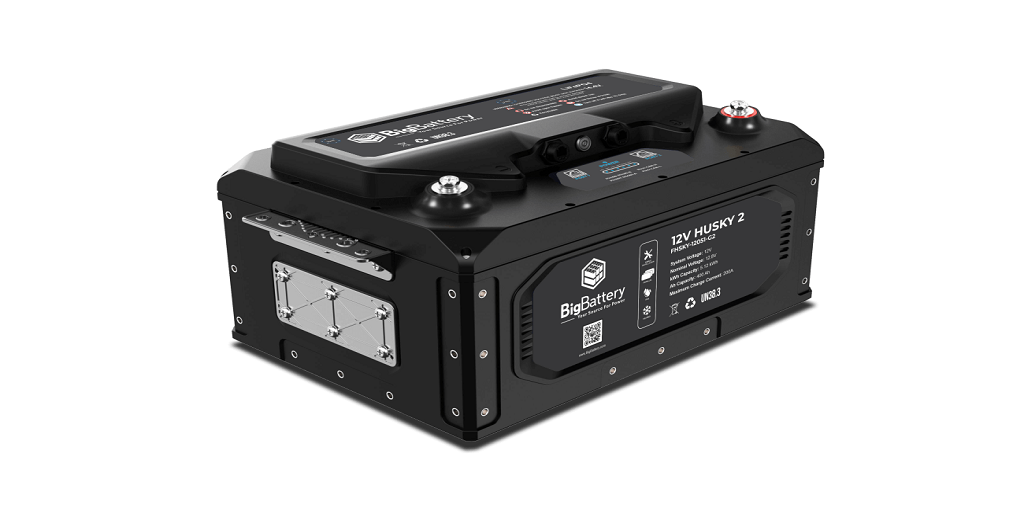
Lithium iron phosphate batteries have a lot of fans, especially among those who originally were skeptical of lithium batteries for safety reasons. Unlike other lithium batteries, lithium iron phosphate, or LiFePO4, batteries are not subject to the same concerns associated with thermal runaway as other types of lithium batteries.
They’re also renowned for their high energy density, power, and long lifespans. Even without any special considerations, they generally last much longer than lead-acid batteries and even other types of lithium batteries.
This, on its face, helps to offset the high upfront cost of buying LFP batteries. But with that said, there are still things you can do to help ensure a long service lifespan. These are some of the best of them.
Protect Against Extremes
Nothing kills batteries like extreme cold, although, to be fair, extremely high temperatures are not good for charge potential or discharge, either. If you can, protect your battery from extremes of temperature, especially on the low end. Anything below freezing is not particularly good for any battery, and that includes LFP options.
Minimize Deep Discharges
Deep discharges are any that bring the charge level of the battery below 20%. It’s actually better for the battery’s health and total charge holding potential if you don’t ever drop it below that level. While it may not always be possible to stick to this, if you can keep the battery health between 80% and 20%, but don’t go below that, you’ll be helping to extend the life of the battery.
Don’t Overcharge
In the former section it was mentioned that you should keep the battery between 80% and 20% of full charge; on the high end, not overcharging your battery actually helps ensure that it maintains a high charge potential. You might think you need to keep it completely “topped off,” but you don’t.
Also, don’t leave it hooked up to the charger all the time. High quality LFP batteries have battery management systems that help prevent damage associated with overcharging, but even so, leaving it on the charger all the time will likely negatively affect its total charge holding potential as well as the number of charge-discharge cycles you get from the battery before it needs to be replaced.
Partial Charges and Discharges Are Best
Overall, steady, metered use of a battery is best for its health. It will last longer if you use a little bit of the charge, every day, or at least consistently, rather than if you top it off, drain it completely, and repeat that cycle.
Never Leave It Dead
This is one of the most important caveats here, if not the single most important. Lithium batteries of all sorts will lose their ability to take and hold a charge if you leave them dead for too long – period. As soon as you drain a battery, get it hooked up to the charger and restore some of what you drained, even if you only have time to get it back to 50% of its full charge (even though around 80% of total charge is better for optimal battery health and performance). Leaving it dead is the quick ticket to a permanently dead battery.
Looking for New Lithium Iron Phosphate Batteries?
In the event you landed here not looking for how to extend the lifespan of your current lithium batteries, but because you were looking for new lithium iron phosphate batteries to replace whatever you’re using, visit BigBattery. They carry a wide range of lithium batteries and accessories for a wide variety of applications. Check out their website and get in touch with them if you need more information.
For More Information About Lithium Rv Battery and Eg4 Indoor Battery Please Visit: BigBattery.