
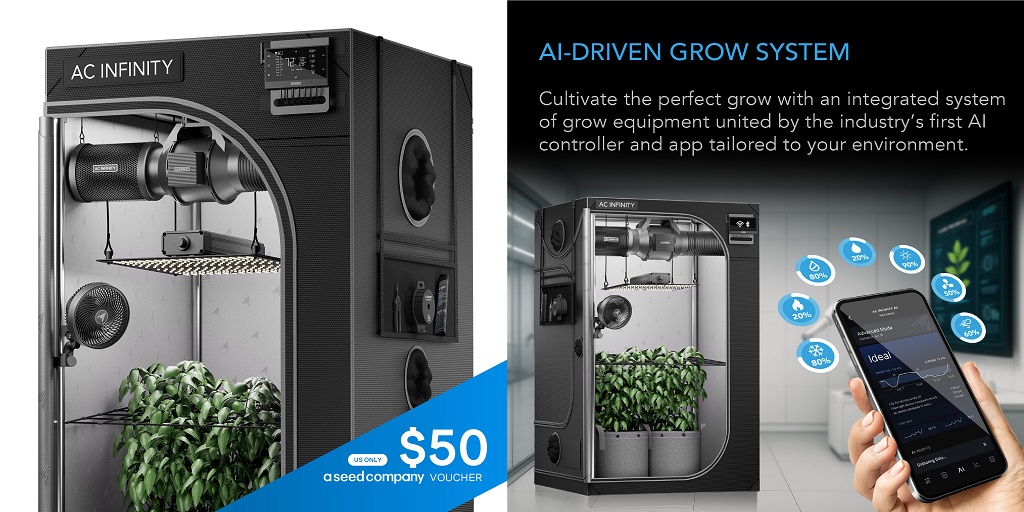
So you’ve gotten your first indoor grow tent kit and are ready to get started cultivating indoors. You’ll have better control over climate, fertilization, protection from pests and diseases, and other considerations than you’d have outside – but that doesn’t mean indoor growing is entirely without its challenges.
While the needs of individual plants will depend on the species or cultivar, as well as on other factors, there are still some broad categories of considerations that you can make to ensure optimal health. There are also a few conditions that commonly present themselves, which will be covered here, along with what you can do about them.
Chlorosis
Chlorosis presents as a yellowing or browning of the plant’s foliage. While there are many common causes of chlorosis, such as underwatering, overwatering, and insufficient light, the main cause of chlorosis is inadequate fertilization, specifically inadequate nitrogen fertilization.
All else being equal, and if you are sure your plants are getting enough light and that they’re properly watered, consider feeding them with a nitrogen-heavy fertilizer to fix this issue.
Wilting
The most common cause of wilting is underwatering; as the plant’s cells lose water, the rigidity of the vegetative tissues decreases and the plant will droop. The easy fix is simply to water.
However, plants will also wilt if they are overwatered, which is a strong sign of root rot. If you have a plant that is wilting and the soil is wet, or worse, soggy, leave off watering immediately to allow the soil to dry out. Let it get dry to the touch at the surface before watering again or you will risk killing the plant.
Leaf Drop
Leaf drop occurs when some stressor causes the plant to shed its leaves prematurely; they may change color before dropping or they may drop off and look ostensibly healthy. A similar condition is called blossom drop, in which blooms form but then drop off the plant without producing viable fruit.
Leaf drop, like blossom drop, can occur for a variety of reasons. Common reasons include rapid changes in temperature, lack of adequate sunlight, over or underwatering, and inadequate fertilization. Although rare when growing indoors with a grow tent kit, stress from fungal infection or pest infestation can also cause leaf drop.
One of the most common problems for indoor growers that causes leaf drop is called transplant shock, which occurs after a plant has been moved from one container to another. To minimize transplant shock, handle plants as little as possible, don’t touch the roots when moving them, and water frequently once you’ve completed the transplant.
Etiolation
Etiolation manifests as a plant that has gotten long and skinny, which growers often refer to as getting “leggy.” While etiolation can occur in response to various factors, the main cause is inadequate lighting.
What happens is that the plant senses it is not getting enough light and stretches to try to reach for more. Unfortunately, this weakens the stems and other structures of the plant. Fortunately etiolation, if caught early enough, can usually be reversed by providing adequate light.
Get Started with a Grow Tent Kit and Put These Problems in the Rearview Today
Fortunately, with a quality indoor grow tent kit and the right information, you can catch and address most of the common problems mentioned here, if not prevent them entirely. The great thing about growing indoors is that you can precisely control the light, water, humidity, temperature, airflow, fertilizer, and more, producing near-ideal growing conditions for your chosen plant and cultivar – and now that you know most of the common problems afflicting plants that are grown indoors, you’re better prepared to address them.
For More Information About Growing Tent and 1000 Watt Led Grow Lights Please Visit: AC Infinity Inc.