
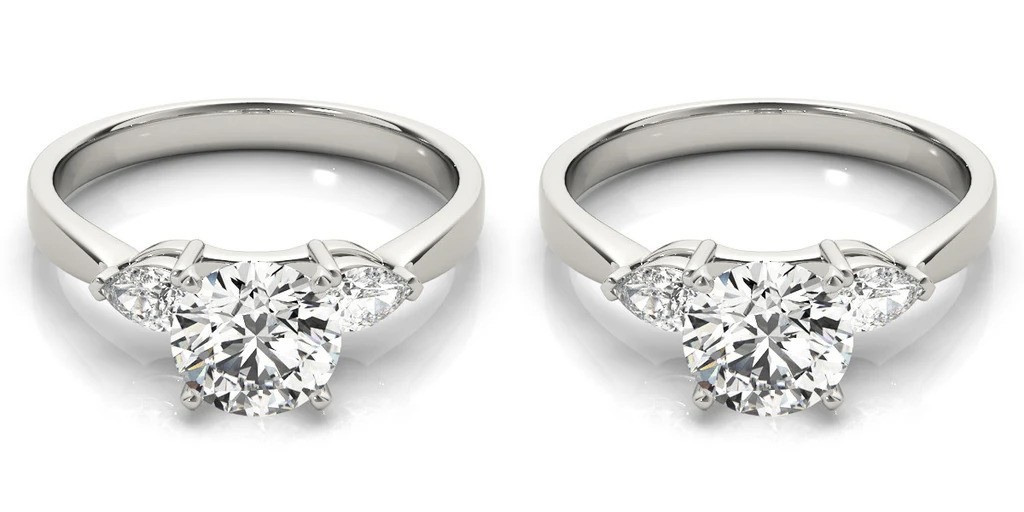
Lab-grown diamonds have taken the jewelry world by storm, and it’s easy to see why. Contrary to what some may believe, they are real diamonds created through advanced technology rather than deep in the earth. They share the same carbon structure, brilliance, and hardness as natural diamonds.
The only major difference is how they’re formed: where natural diamonds are shaped over billions of years underground, lab-grown diamonds are produced in a controlled environment using high heat and pressure or chemical vapor deposition. In the end, both types sparkle the same way, and both rank a perfect 10 on the Mohs scale of hardness.
Why More Couples Are Choosing Lab-Grown Diamond Engagement Rings
Price is one of the major factors. Many shoppers appreciate that lab-grown diamond engagement rings usually cost significantly less than rings with mined stones of the same size and quality. What this means is that you can get a bigger or higher-quality diamond without stretching your budget to its limits.
The origin of lab-grown diamonds also appeals to buyers who prefer a more transparent and environmentally conscious option. Because the entire process of creating a lab-grown diamond happens in, well, a laboratory, there’s clearer oversight and fewer unknowns about sourcing. For couples looking for something that’s both beautiful and responsible, lab-grown diamonds are a solid fit.
The Difference in Quality and Appearance
One of the biggest misconceptions about lab-grown diamonds is that they somehow look “fake”. They don’t. They are chemically identical to mined stones, which means the sparkle, clarity, and fire remain the same. Jewelers use the same grading standards (also known as the 4 Cs: cut, color, clarity, and carat weight) to evaluate both types.
You can find lab-grown diamonds with excellent cuts, stunning clarity, and bright color, just like natural diamonds. In fact, because lab conditions can be controlled, some lab-grown stones are exceptionally consistent in quality.
How to Choose the Right Lab-Grown Diamond
Shopping for a diamond, natural or lab-grown, can be overwhelming – but it helps to know what to keep an eye out for.
Start by focusing on the cut, as it has the biggest effect on sparkle. A diamond that’s well-cut reflects light beautifully, regardless of its origins. Next, think about color and clarity. If you want a diamond that looks bright and clean to the eye, aim for near-colorless shades and clarity grades that don’t show visible imperfections. Carat weight comes down to personal preference and budget. With lab-grown stones, you can often size up without paying the premium associated with natural diamonds.
The ring setting matters just as much as the stone. The right one should bring your chosen diamond to life, whether it’s a classic solitaire, a vintage-inspired halo, or a modern bezel design. It’s also important to consider the lifestyle of the wearer. If they’re active or work with their hands, a low-profile setting can help protect the ring from accidental bumps.
Understanding Certification and Grading
Just like natural diamonds, lab-grown diamonds should come with a certification from a reputable gemological lab. This grading report explains the diamond’s characteristics and verifies that it’s lab-grown. A proper certification also makes future appraisals and insurance straightforward. Look for reports from trusted institutions to make sure you know exactly what you’re getting.
Find Lab-Grown Diamond Engagement Rings on Mikado Diamonds
Lab-grown diamond engagement rings offer beauty, brilliance, and value without compromising on quality. They make it possible to choose a ring that matches your style, reflects your priorities, and fits comfortably within your budget.
Mikado Diamonds carries a wide selection of unique certified lab-grown diamond engagement rings. Whether you’re looking for something classic or contemporary, you’re sure to find a ring that symbolizes eternal love among their offerings. Visit the Mikado Diamonds website now to view their entire catalog.