
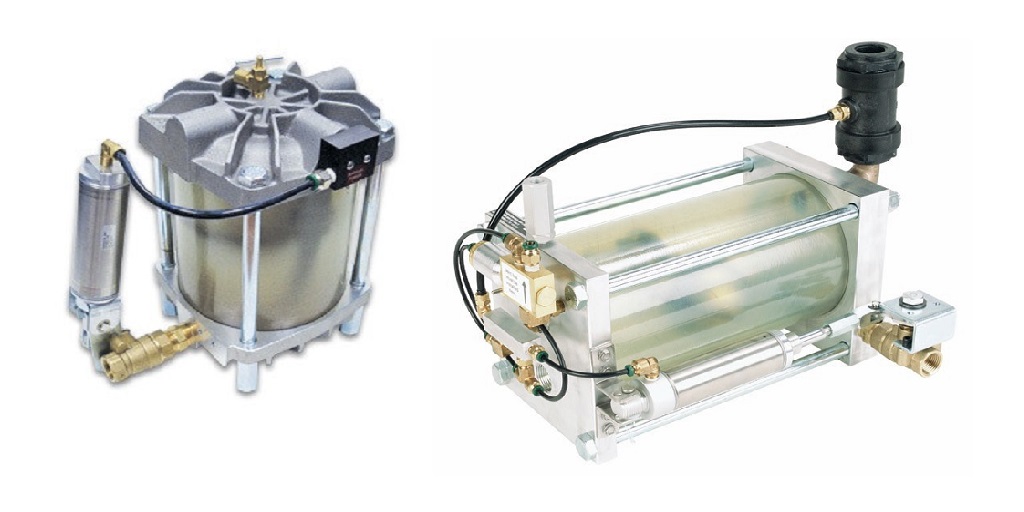
An automatic drain valve is one of those components most facilities do not think about until condensate becomes a problem. Water buildup in compressed air, natural gas, or process gas systems quietly affects efficiency, corrodes downstream equipment, and increases maintenance demands. The drain itself is small, but the impact of choosing the wrong type can show up across the entire operation.
In industrial environments, automatic drain valves are generally grouped into three categories: zero-loss pneumatic drains, motorized timed ball valves, and solenoid timer-controlled valves. Each works automatically, but the way each manages condensate is very different.
How an Automatic Drain Valve Is Expected to Perform
An automatic drain valve removes liquid without manual intervention. Systems vary in how the valve determines when to open.
Automatic drain valve designs vary: some operate based on the actual level of condensate, while others use timers that operate regardless of whether liquid has accumulated. This distinction matters in systems handling compressed air, natural gas, biogas, or landfill gas, where venting usable gas during drainage directly affects operating costs.
Zero-Loss Pneumatic Automatic Drain Valve Systems
A zero-loss pneumatic automatic drain valve operates based on liquid detection rather than time. Internal floats or level sensors identify when condensate has collected and open the valve only long enough to discharge liquid.
This approach minimizes gas loss because the valve closes immediately after the liquid is removed. In systems where pressure stability and gas conservation matter, this design is often preferred.
Typical applications include:
- Compressed air systems with continuous condensate formation
- Natural gas dehydration and pipeline applications
- Biogas and landfill gas systems with variable moisture content
Because zero-loss designs respond to real conditions, they are well-suited for environments where condensate rates fluctuate.
Timed Automatic Drain Valve Designs
Timed drain valves work on a preset schedule rather than real-time sensing. Two common designs fall into this category: motorized timed ball valves and solenoid timer-controlled valves.
Motorized Timed Ball Valves
These use an electric motor to rotate a ball valve open and closed at programmed intervals. The design is mechanically robust and handles debris better than some alternatives. However, the valve opens whether condensate is present or not, which can result in gas discharge.
Solenoid Timer-Controlled Valves
Solenoid valves are actuated electromagnetically, offering quick opening times and a compact design. However, their operation is based solely on time settings, and they are more susceptible to failure from contamination and debris.
Both automatic drain valve options need fine-tuning to balance effective drainage and minimize gas loss.
Matching the Automatic Drain Valve to the System
No single automatic drain valve fits every application. Timed drainage works for systems with stable condensate and low gas value; however, zero-loss designs are preferred for efficiency, emissions control, or gas conservation.
Selection should consider:
- Type of gas or air being handled
- Condensate volume variability
- Tolerance for gas loss
- Maintenance access and reliability requirements
The automatic drain valve is integral to a broader system strategy.
Why Automatic Drain Valve Choice Still Gets Overlooked
Drain valves are often selected late in system design or replaced only after problems surface. Yet the cumulative effects of condensate mismanagement—corrosion, pressure instability, and wasted gas, can outweigh the cost of the valve itself.
Facilities evaluating automatic drain valve options benefit from understanding how each design behaves under real operating conditions rather than relying on category labels alone.
Air Vacuum & Process Inc. offers additional resources and equipment options online for those reviewing automatic drain valve configurations in compressed air, natural gas, or process gas systems to optimize long-term system performance.