
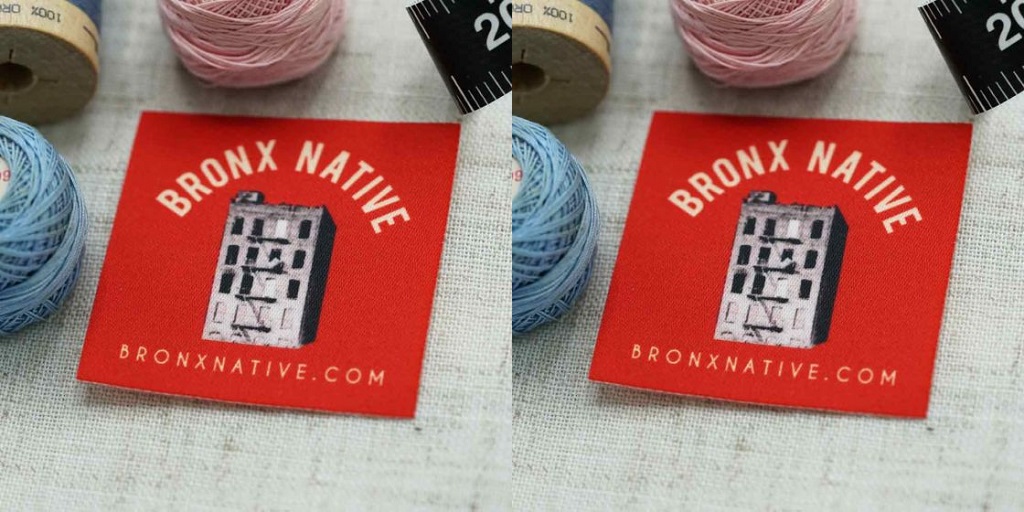
When building or growing a clothing brand, small details often make the biggest impact. One detail that is frequently overlooked is labeling. At first glance, custom clothing labels and generic tags may seem interchangeable. Both provide basic information and serve a functional purpose. However, the differences between them go far beyond appearance. Understanding these differences can help you make smarter branding decisions and create a stronger connection with your customers.
What Are Generic Tags?
Generic tags are pre-made labels that are mass-produced and sold in bulk. They usually contain basic information such as size, fabric content, or care instructions. These tags are designed to work for many brands, not a specific one.
Generic tags are commonly used by hobbyists, small-scale producers, or businesses focused solely on functionality. They are often plain, feature standard fonts, and lack any branding elements like logos or brand colors. While they do their job, they do not contribute much beyond basic identification.
What Are Custom Clothing Labels?
Custom clothing labels are designed specifically for your brand. They can include your logo, brand name, slogan, custom fonts, colors, and even unique textures or materials. These labels are created to align with your brand identity and enhance the overall presentation of your garments.
Custom clothing labels can be woven, printed, heat transferred, leather, silicone, or embroidered. They can be placed inside the neckline, on hems, sleeves, or even on the exterior of the garment for a bold branding statement.
Branding and Identity
One of the biggest differences between custom clothing labels and generic tags is branding. Generic tags do not help customers remember your brand. They provide information but offer no visual or emotional connection.
Custom clothing labels, on the other hand, act as a silent brand ambassador. Every time someone wears or washes your garment, they see your brand name. Over time, this builds familiarity and trust. Strong branding helps customers recognize your products instantly and makes your clothing feel intentional and professional.
If you want customers to remember who made the garment, custom clothing labels are essential.
Perceived Value and Professionalism
Clothing with generic tags can feel unfinished or low-effort, even if the garment itself is well-made. Consumers often associate generic labeling with mass production or temporary use.
Custom clothing labels elevate the perceived value of your products. They signal that the brand invested time and care into every detail. This perception allows many brands to justify higher pricing and position themselves as premium or boutique rather than generic.
In competitive markets, perceived value can be just as important as quality.
Customization and Flexibility
Generic tags offer little to no flexibility. You are limited to the information, size, and design already printed on the tag. This can be frustrating if your brand has specific needs, such as unique sizing systems, multilingual care instructions, or compliance requirements for certain markets.
Custom clothing labels give you full control. You can choose exactly what information to include and how it appears. This includes font size, layout, language, material, and placement. This flexibility ensures your labels work for your products rather than forcing your products to adapt to generic solutions.
Which Option Is Right for You?
If you are producing clothing for personal use, test runs, or one-off projects, generic tags may be sufficient. They provide basic information and require minimal setup.
If you are building a brand, selling clothing commercially, or aiming for long-term growth, custom clothing labels are the better choice. They help establish identity, improve professionalism, and create a consistent brand experience.
The difference between custom clothing labels and generic tags is not just about appearance. It is about how your brand is perceived, remembered, and valued. Generic tags serve a basic function, but custom clothing labels tell your brand’s story.
In a crowded fashion market, the brands that succeed are often the ones that pay attention to the smallest details. Labels may be small, but their impact is anything but.